The Skilled Labor Shortage Bottlenecking Innovation
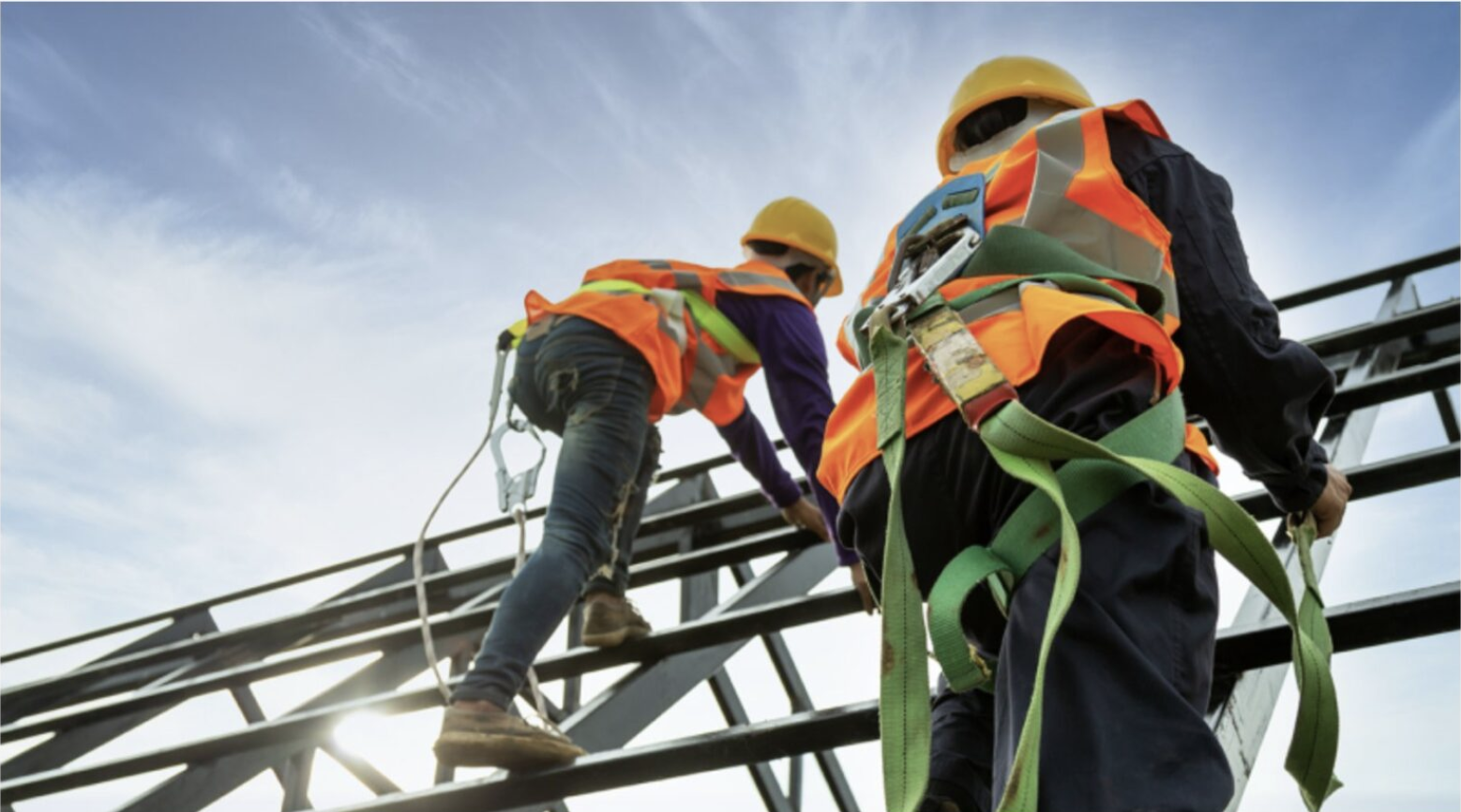
The more we automate, the more skilled workers we will need.
This sounds counterintuitive, but it is becoming the reality across American industry.
Rapid Prototyping Philosophy
Rapid prototyping has become the default philosophy in hardware: move fast, build versions, test, and repeat.
Speed is not how quickly you can model something in CAD, but how fast you can get a physical part in your hands to see if it works.
The SpaceX Example
SpaceX is the obvious example.
They iterate Falcon engines hundreds of times.
But those iterations do not appear out of thin air.
Each one requires welders, machinists, and electricians.
People who can read a blueprint at 6 a.m. and have a part ready by lunch.
Rapid prototyping does not reduce demand for skilled labor but multiplies it.
The Shortage
And we are short.
Construction is missing roughly 500,000 workers.
Maritime needs hundreds of thousands more to meet shipbuilding demand.
And Jensen Huang pointed out we need an army of electricians and plumbers just to build the data centers everyone is planning.
NOW, not in ten years.
Structural Disconnect
There is a structural disconnect here.
We have built an innovation culture around speed and iteration but hollowed out the vocational systems that make it physically possible.
Five boomers retire for every two young people who enter the trades.
The Real Bottleneck
Skilled people who can fabricate, install, and maintain physical systems are becoming one of the scarcest resources in the economy.
That may be the main bottleneck on American innovation right now.
Conclusion
The paradox is clear: automation and rapid innovation actually increase our need for skilled tradespeople.
Until we rebuild our vocational training systems, this labor shortage will continue to slow down the very innovation we are racing to achieve.
Follow me on X and LinkedIn for more.